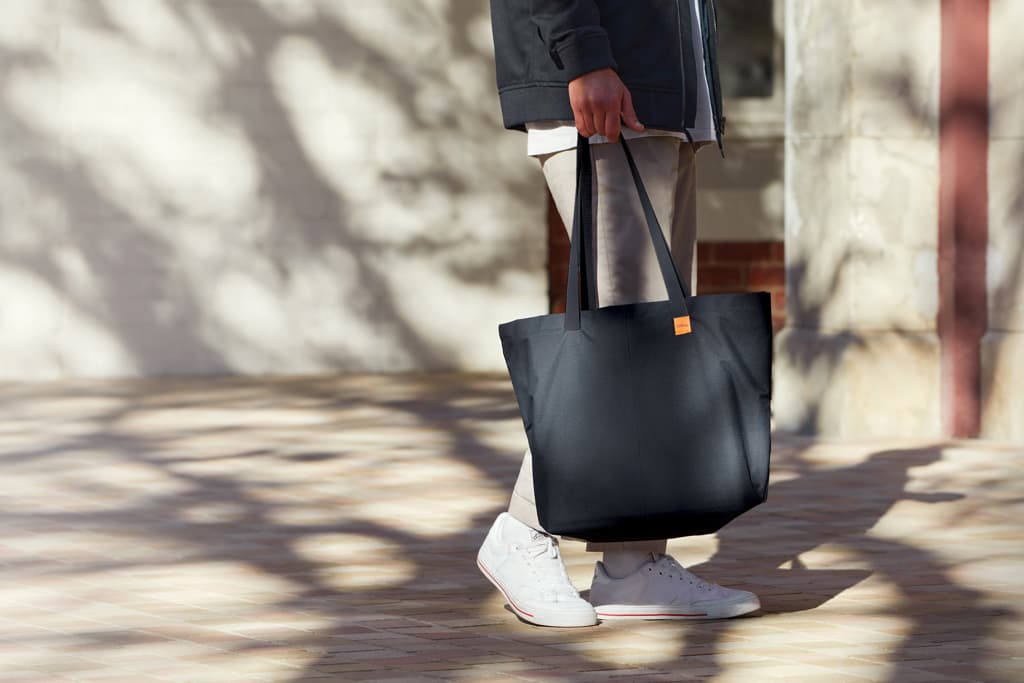
AI-Personalized Corporate Gifting: Relevance at Scale
For years personalisation meant a logo and a first name. AI changes that — matching the right gift to the right person across hundreds of recipients. Here's how to use it without losing the human touch.
For years, "personalised" corporate gifting meant a logo and, if you were lucky, a printed first name. Useful data sat unused in a CRM while procurement sent the same mug to a thousand contacts. That gap is closing. AI now lets B2B teams match the right gift to the right person across hundreds of recipients — without a marketer hand-picking each one. The trend is not robot-chosen presents; it is relevance at a scale that used to be impossible. Here is how to use it without losing the human touch that makes a gift land.
Why it works
Two numbers frame the opportunity. Arizton values Europe's personalised gifting market at USD 9.67 billion in 2023 — about €9 billion — and forecasts roughly 7% annual growth to 2029; on the corporate side, ASI Research puts promotional-product distributor sales across the EU, UK, Iceland, Norway and Switzerland at USD 14.1 billion in 2023, though B2B growth has been far slower at around 1-2% a year. Buyers keep investing because relevance pays back. And across surveys, practical, everyday items remain the single largest category of corporate gifts, because usefulness is universal. AI raises the ceiling on both: it reads signals you already hold — role, location, season, past engagement — and turns them into a shortlist of useful, on-target gifts, so more of your spend lands as "this was chosen for me" rather than "this was sent to everyone."
Timing
AI's biggest gift to gifting is lead time. Predictive models flag the moments that matter — a renewal date, a work anniversary, a project close — early enough to act before, not after. Build a recipient calendar, let the system surface upcoming triggers each week, and prepare a step ahead. For cross-border recipients, ship one to two weeks early to clear customs. The technology removes the old excuse of "we missed it."
What to give, and at what price
AI narrows the choice; you still set the taste and the budget.
- €10–25 — entry: a personalised notebook or reusable bottle, matched to the recipient's role.
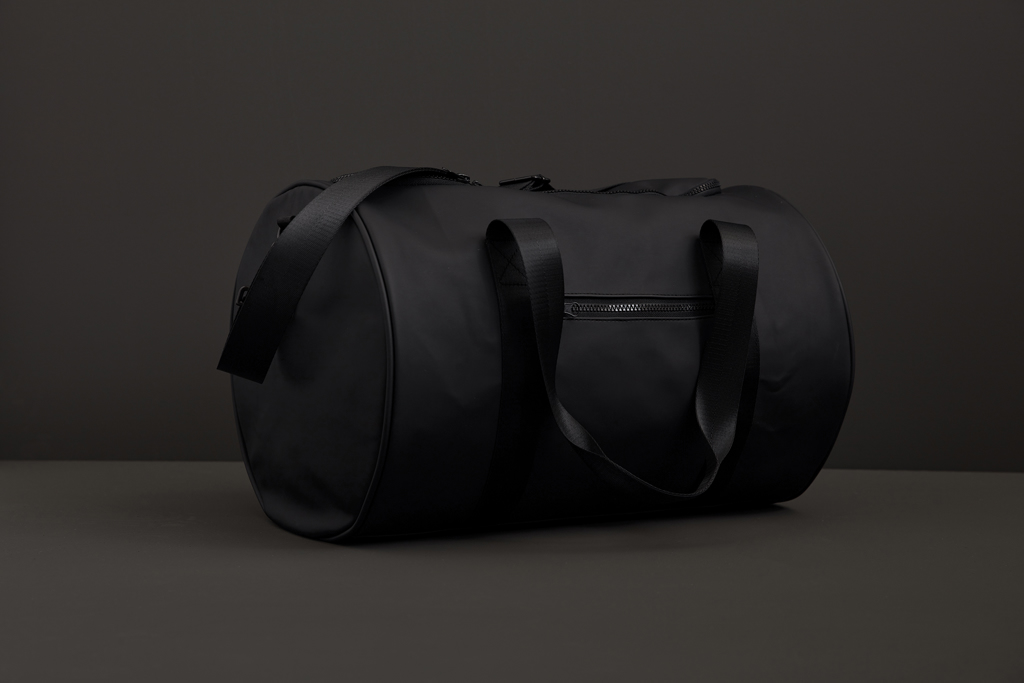
- €25–60 — mid: an engraved pen, a drinkware set, or a quality bag in a colourway the data suggests they will like.
- €60–150+ — premium: a configurable kit — a weekend bag or premium audio — assembled per segment for top accounts.
Let the model pick the segment; let a human approve the final list.
What to avoid
The fastest way to break trust is to over-personalise. A gift that references something the recipient never shared with you reads as surveillance, not care. Stay with signals people expect you to hold — their role, their market, their relationship to you — not scraped personal detail. Avoid "creepy accuracy." And never let automation remove the final human check: the model suggests, a person decides.
Rules and compliance
Personalisation runs on data, and in Europe that means GDPR. Use only data you have a lawful basis to process, keep it to business context, and do not repurpose marketing-consent data for gifting without checking. Recipient-side gift policies vary and are set by the recipient's employer, not by law: many companies apply an internal cap on the value of gifts staff may accept — that cap is the employer's own, and no EU instrument sets a gift-value ceiling at all, as our guide to what actually binds a gift budget sets out — and public-sector bodies usually apply stricter limits or prohibit gifts outright. The only threshold that matters is the recipient's, so confirm their own policy before you send, and keep items modest and practical. That lowers risk on the anti-bribery side, but it does not by itself satisfy GDPR: your lawful basis for using the data is a separate question. Document what you send and the data you used to choose it.
Make it about the relationship, not the sale
AI is a targeting tool, not a relationship. The teams that win with it use the time it saves to add a genuine human note, not to send more stuff faster. Personalisation done well is quiet: the recipient simply notices the gift fits, and thinks a little better of you for it. If your goal is durable B2B relationships, pair smart targeting with sincere follow-up — the same principle behind thoughtful client gifting. Browse the catalog for personalisable, practical options, or contact us and we will help you build a gift programme that scales without feeling automated.