Cross-Cultural Corporate Gifting Etiquette in Europe
Europe is one market made of dozens of business cultures. Here is how to make a client or partner gift land as intended — in Stockholm, Frankfurt, Athens and everywhere between.
Europe is a single market made of dozens of business cultures. A gesture that signals warmth in Stockholm can read as excessive in Frankfurt, and a present that delights a partner in Athens may create an awkward sense of obligation in Amsterdam. For teams selling across borders, corporate gifting is less about the object than about reading the room — twenty-plus rooms at once. This guide maps the etiquette that travels well across the EU, so your next client or partner gift is received the way you intended, everywhere.
Why thoughtful gifting works across borders
Two numbers explain why companies keep investing here. Demand for personalised and corporate gifts across Europe has held up strongly in recent years — a sign that buyers see real relationship value in them, not just a seasonal habit. — a sign that buyers see real relationship value, not just a seasonal habit. And across industry surveys, practical, everyday items remain the single largest category of corporate gifts, because usefulness is the one language every culture reads the same way. A genuinely useful gift sidesteps most cultural landmines: it flatters the recipient's daily life rather than their status.
Timing: when you give matters as much as what
In Germany, the Netherlands and the Nordics, a gift offered at a first meeting can look like an attempt to influence — wait until a relationship exists. In much of Southern and Eastern Europe, an early, modest token of goodwill is welcomed and even expected. Year-end remains the safest universal window, but national calendars vary widely, so confirm local public holidays before you ship. And because cross-border parcels clear customs, send premium items one to two weeks earlier than you would domestically.
What to give, and at what price
Match the tier to the relationship, and keep value visible but moderate:
- €10–25 — entry: branded notebooks, reusable drinkware, a quality pen. Safe in every market.
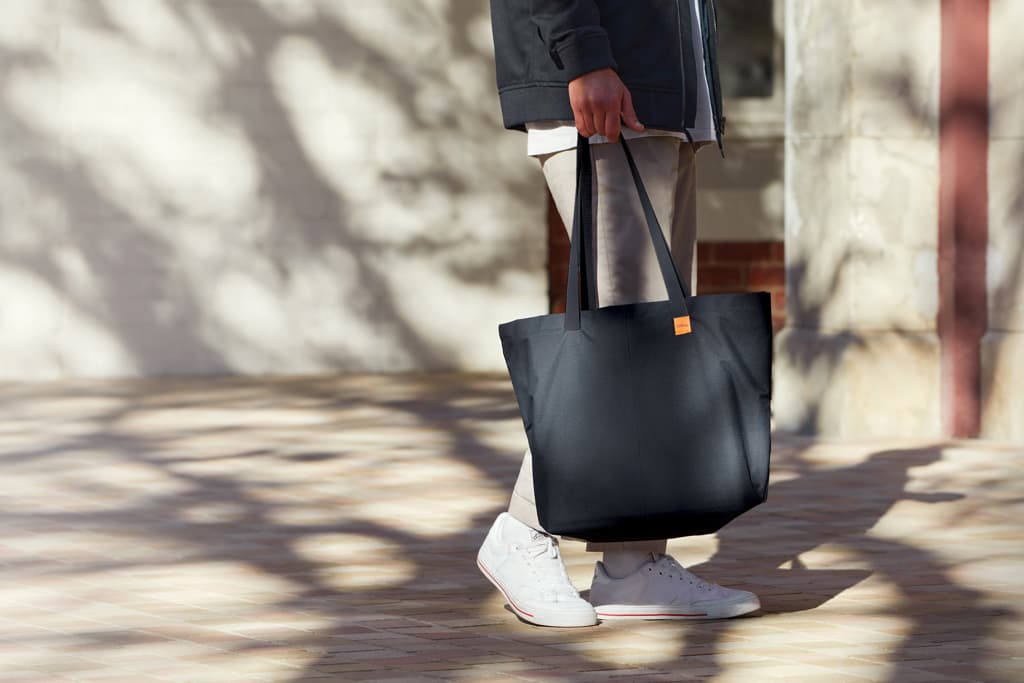
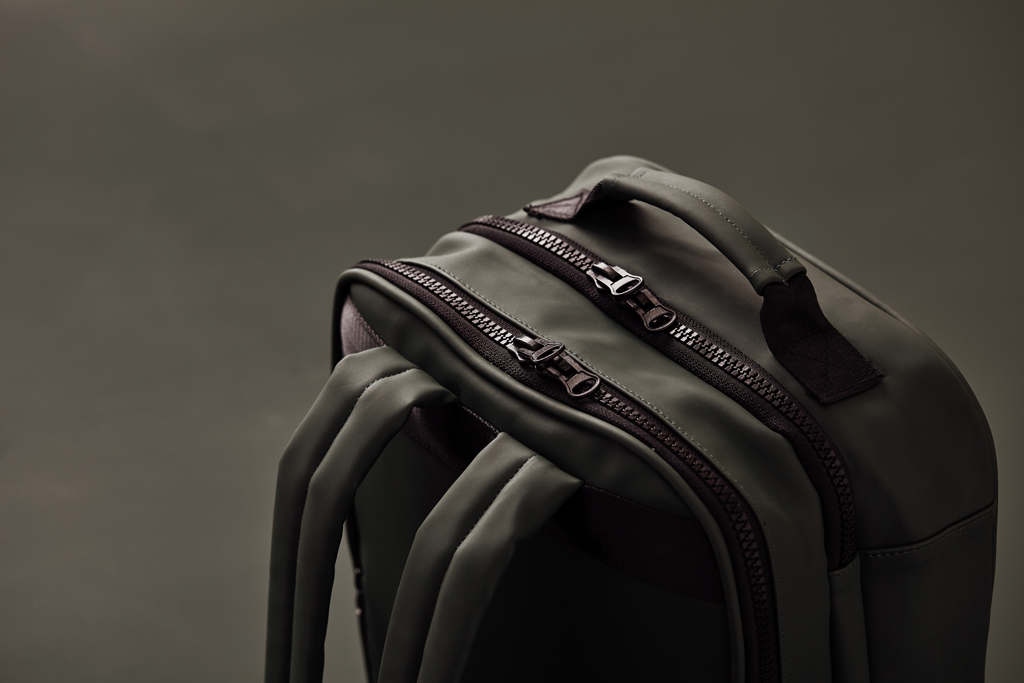
- €25–60 — mid: travel organisers, insulated bottles, or a recycled-material daypack — practical and genuinely giftable.
- €60–150+ — premium: a laptop or weekend bag, premium audio. Reserve these for established partners.
In several Northern European cultures an expensive gift can embarrass rather than please, so when in doubt, choose the better version of a useful thing over the flashier one.
What to avoid
Skip anything that could be read as a bribe — especially with public-sector, German or Nordic counterparts. Go easy on heavily logo'd "billboard" items for senior recipients. Watch culturally loaded objects: alcohol (dry workplaces and religious sensitivities), sharp items (read as "cutting ties" in some cultures), and anything too personal. Finally, mind local meaning in colours and numbers — what's neutral at home may not be abroad.
Rules and compliance
Many European companies cap the value of gifts employees may accept — their own policy, not law — and public officials are often barred from accepting anything at all. Confirm the recipient's threshold and keep gifts transparent, invoiceable, and comfortably under it; our guide to gift thresholds and the rules behind them sets out what actually binds a European buyer. Branded, modest, practical items sit in the compliant sweet spot. Document what you send and to whom; a clear paper trail protects both sides.
Make it about the relationship, not the sale
The best cross-border gift is quiet, useful and unembarrassing — something the recipient reaches for on a Monday morning without thinking about who it came from, and is glad when they remember. Get the etiquette right and the gift does what it's meant to: it keeps the relationship warm long after the deal is signed. Browse the catalog for practical, EU-friendly options, or contact us and we'll help you choose something that travels well.
Inclusion inside one team is a different problem from etiquette between countries — our inclusive gifting guide covers building a single list that works for everyone on it.