Food & Gourmet Corporate Gifts: The Best-Received Category Almost Nobody Buys
No corporate gift category scores higher on recipient goodwill than something you can eat. Here is how to send food and gourmet gifts that work — and how to avoid the allergen and alcohol traps that sink them.
A food gift is the only corporate present that gets opened in front of other people and shared on the spot. It needs no explanation, no setup, and no desk space — and it arrives as generosity rather than advertising. Yet food is also the category most companies talk themselves out of: it does not last, it carries a logo badly, and it comes with real dietary risks. That caution is understandable — and every part of it is solvable, cheaply, once you know where the traps sit. Here is what the evidence actually says, and how to send food that gets eaten rather than regifted.
Why food gifts land
On the promotional industry's own reception metric, food comes out top. In ASI's 2026 study, 94% of recipients said they would view the advertiser more favourably after receiving a food gift — a higher share than for any other product category, across a survey spanning 24 countries. The striking part is what companies do with that: food gifts, bundled with bottled water, account for just over 1% of annual industry sales, roughly $345 million in the same study's US-dollar tracking (ASI, 2026). That counts only what moves through promotional distributors — plenty of corporate food gifting is bought straight from gourmet retailers and hamper companies — but inside the channel that measures reception, the best-received category is very nearly the least-bought one. Promotional items in general also travel further than the person whose name is on the box: 66% of consumers say they have passed one on to someone else (PPAI, 2023). No food-specific pass-along rate is published, so treat that as suggestive for hampers rather than measured.
Timing
Food suits the moments when warmth matters more than utility: year-end thank-yous, a welcome box on a new hire's first morning, a delivery after a hard project, a seasonal hamper to clients you want to keep. It is also the least forgiving category on logistics. Perishables need temperature-controlled shipping and confirmed delivery addresses — a hamper sitting in an empty office over the holidays is money spent on something the recipient finds spoiled in January. Work back from the delivery date rather than the order date; for perishables at year-end that means committing four to six weeks ahead, when suppliers and couriers are both at their tightest.
What to send, and at what price
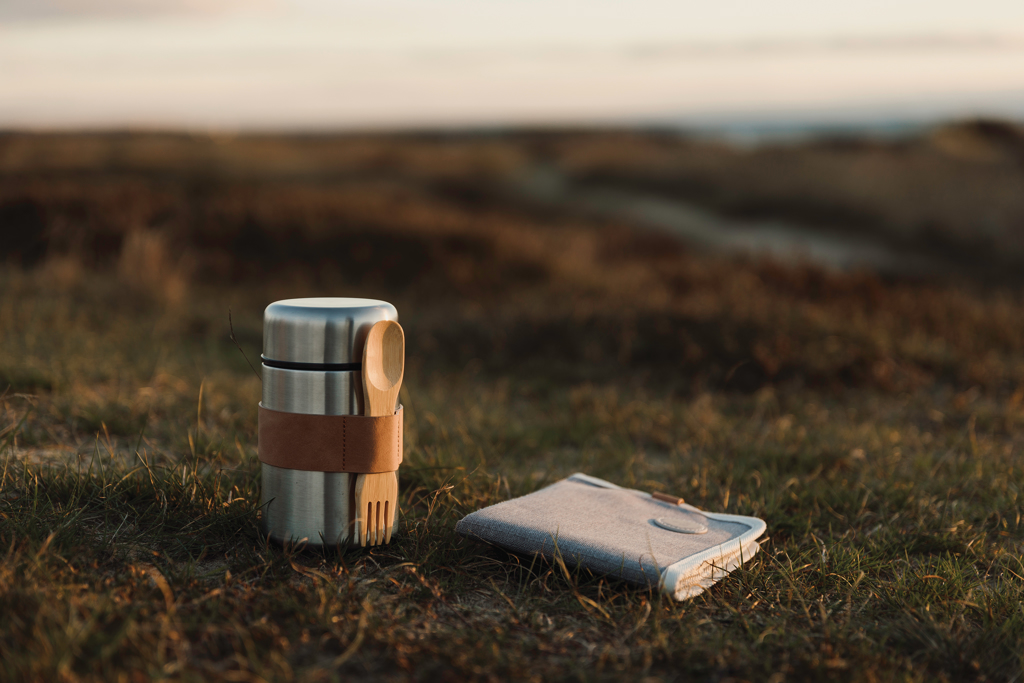
- €10–25 — entry: an insulated food thermos filled with a local treat — the vessel outlives the contents.
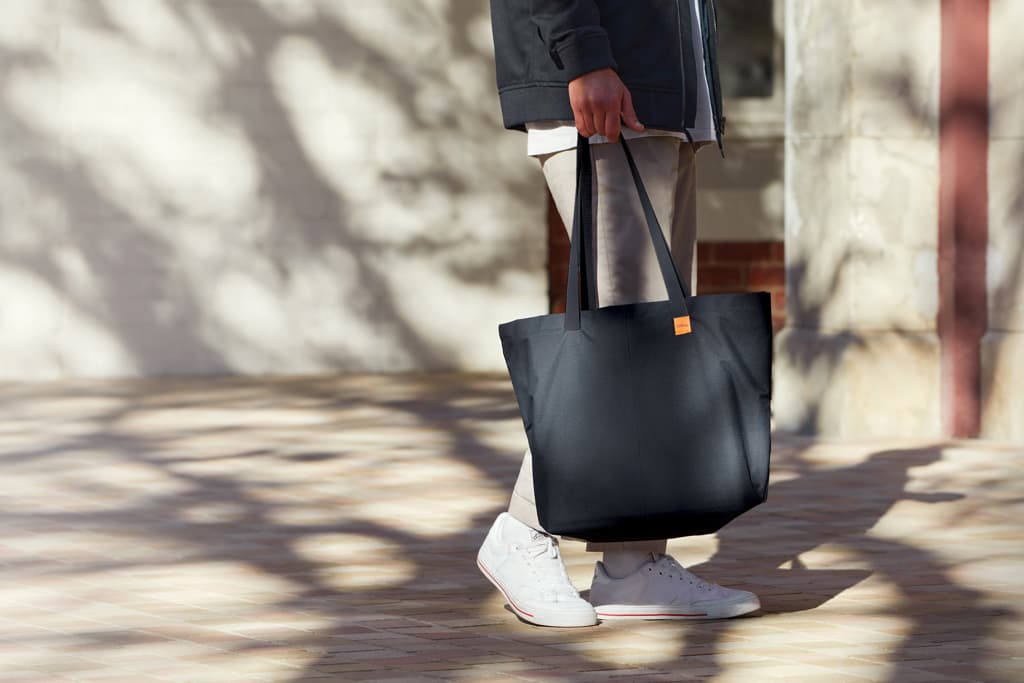
- €25–60 — mid: an insulated cooler tote built as a picnic or hamper base for teams and mid-tier clients.
- €60–150+ — premium: a gourmet cheese and serving set for key clients, paired with regional produce.
The pattern worth copying is pairing: a reusable, discreetly branded vessel plus a consumable inside it. The food creates the moment; the container keeps working long after the moment passes, which offsets food's biggest weakness as a brand gift.
What to avoid
Skip anything that needs a fridge unless you have confirmed someone will be there to receive it, and skip homemade or loose-repacked goods entirely — the moment you rebox, the labelling obligation becomes yours. Then mind the two things gift lists most often get wrong. Never assume alcohol: on EU population figures, 26.2% of adults had not drunk any alcohol in the previous twelve months or had never drunk at all, from the 2019 European Health Interview Survey, the latest completed wave Eurostat publishes (Eurostat). The mix on any given gift list will differ, but the share is large enough that a non-alcoholic equivalent belongs in every drink-gift range. And take allergies at face value: a European meta-analysis found 13.1% of people report a current food allergy, while only about 0.8% test positive on a clinical food challenge (Spolidoro et al., Allergy, 2023). For gifting it is the self-reported figure that governs behaviour — someone who believes they will react simply will not eat it.
Rules and compliance
EU food information law (Regulation 1169/2011) requires a full allergen declaration on the pack, so buy from suppliers who label properly rather than repacking loose goods yourself. Alcohol adds excise duty and cross-border restrictions that vary sharply by market, and several countries limit what may be shipped to a private address at all. On top of that sit internal gift-value caps in corporate codes of conduct — the recipient employer's own policy rather than any EU rule, and tighter again in the public sector — so what binds a corporate gift budget is the threshold your contact actually works to: confirm it rather than assuming a figure, because a lavish hamper raises questions a modest one never would.
A shared table beats a shipped logo
Food works because it is generous in a way branded merchandise struggles to be: it is meant to be enjoyed, and often shared, rather than owned. Send something regional and genuinely good, label it honestly, pair it with a vessel that lasts, and keep the branding on the packaging rather than the produce. Food pairs naturally with the vessels it travels in — see our drinkware gifts guide. Browse the catalog for hampers, thermoses and cooler totes, or contact us and we will help you build a food gift worth sharing.