Branded Apparel & Wearables: The Corporate Gift People Actually Wear
Most corporate gifts are used once and forgotten. A good branded jacket or tee gets worn for years — turning each recipient into a repeat impression. Here's how to choose apparel people keep.

Most corporate gifts are used once and forgotten. Branded apparel is the rare exception: a good jacket or tee gets worn for years, turning each recipient into a walking, repeat impression for your brand. That is why wearables remain the workhorse of corporate gifting. But "branded clothing" spans the throwaway event tee and the piece someone genuinely reaches for — and the difference is entirely in the choosing. Here is how to give apparel that earns a place in someone's wardrobe, and your brand a place in their week.
Why it works
Apparel is not just popular — it is the category buyers vote for with their budgets. It is the single largest promotional-product line at 26.6% of all distributor sales, ahead of drinkware (10.2%), with caps and hats third and climbing to 9% (PPAI, 2024). That spend reflects performance, not habit. A branded T-shirt generates roughly 3,500 brand impressions over its lifetime at about a third of a cent each (ASI 2026 Ad Impressions Study) — a cost-per-impression most paid media cannot touch. The reason it works is retention: four in five recipients keep a promotional tee for at least a year, and nine in ten wear it at least once a month (ASI, 2026). Those two figures are the whole case for apparel. A gift that is worn monthly for over a year is not a one-time gesture; it is a media placement you pay for once and that keeps running on its own.
Timing
Apparel needs more lead time than most gifts, because decoration and size curves cannot be rushed. Collect sizes early — a redemption link lets recipients pick their own and removes the guesswork that produces unworn stock — and allow three to four weeks for branded production, more for cross-border delivery. The upside is flexibility: wearables suit almost any moment, from onboarding kits and event uniforms to milestone rewards and year-end thank-yous. Plan the size mix as carefully as the design; a great jacket in the wrong size is a wasted one.
What to give, and at what price
Match the piece to the relationship — with apparel, quality is visible and worn in public:
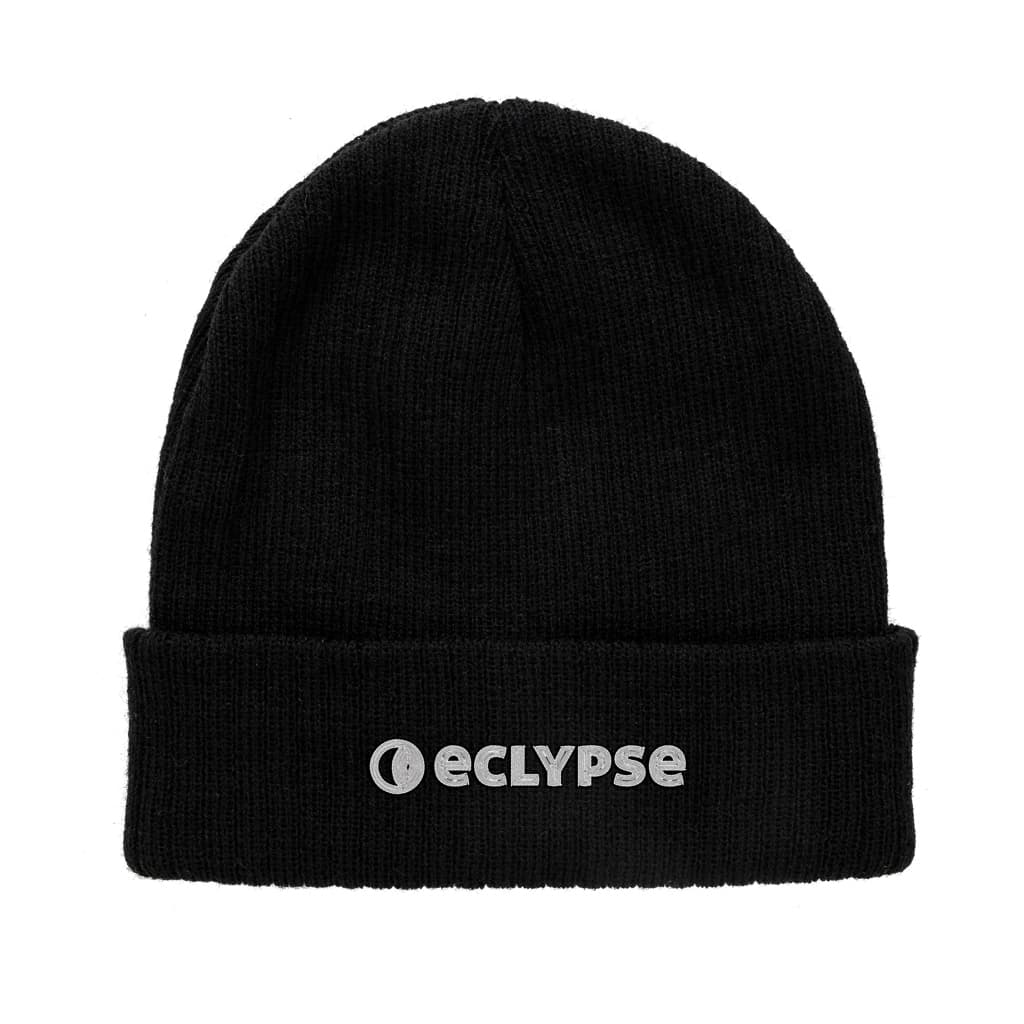
- €10–25 — entry: a recycled-cotton t-shirt or a washed cotton cap — safe, wearable, and the proven impression-earners behind the numbers above.
- €25–60 — mid: a polo or lightweight layer that works for teams, events, and customer-facing staff who effectively become brand ambassadors.
- €60–150+ — premium: a recycled soft-shell jacket for clients, partners, or long-tenured staff — the kind of piece people genuinely keep and reach for outside work.
Fit and fabric matter more than logo size. A jacket someone actually wears beats a cheaper one that lives in a drawer, and a tee worn weekly outperforms a premium piece that never leaves its bag.

What to avoid
Skip the cheap, ill-fitting event tee that goes straight to landfill — it spends your budget to make a poor impression and earns none of the lifetime value that makes apparel worthwhile. Don't guess sizes; offer a full range or a redemption link. Go easy on giant chest logos for premium pieces — a small, tasteful mark reads as quality, a billboard reads as swag, and swag is exactly what people stop wearing. And mind materials: plastic-feeling polyester quietly undermines a "premium" gift, while recycled, natural-feel fabrics signal genuine care and survive the wash.
Rules and compliance
Apparel is low-risk on gift policy, but keep the recipient's own cap in mind: many companies limit what employees may accept — their employer's policy, not law, as our guide to what the law says about gift value explains — so confirm it rather than assume, and public-sector recipients may be restricted entirely. For premium jackets to senior contacts, keep value moderate and documented so a generous gesture never looks like an obligation. Sustainability claims should be real — choose certified recycled materials (GRS, AWARE) over vague "eco" labels, which increasingly invite regulatory and reputational scrutiny.
Make it about the relationship, not the sale
A branded jacket someone wears on weekends is the quietest, most durable goodwill you can buy — chosen well, it says you valued them, not that you wanted ad space. Pick fabric and fit they would choose themselves, keep the branding subtle, and the garment does the rest, month after month. For help justifying the spend to procurement, see our ROI framework for branded merchandise. Browse the catalog for wearable, recycled apparel, or contact us and we will help you build a kit people keep.