Bags & Travel Gifts: The Hardest-Working Corporate Gift
Want one gift that puts your logo in front of thousands of eyes a day? Give a bag. Here's how to choose bags that get carried every day, not stored in a cupboard.
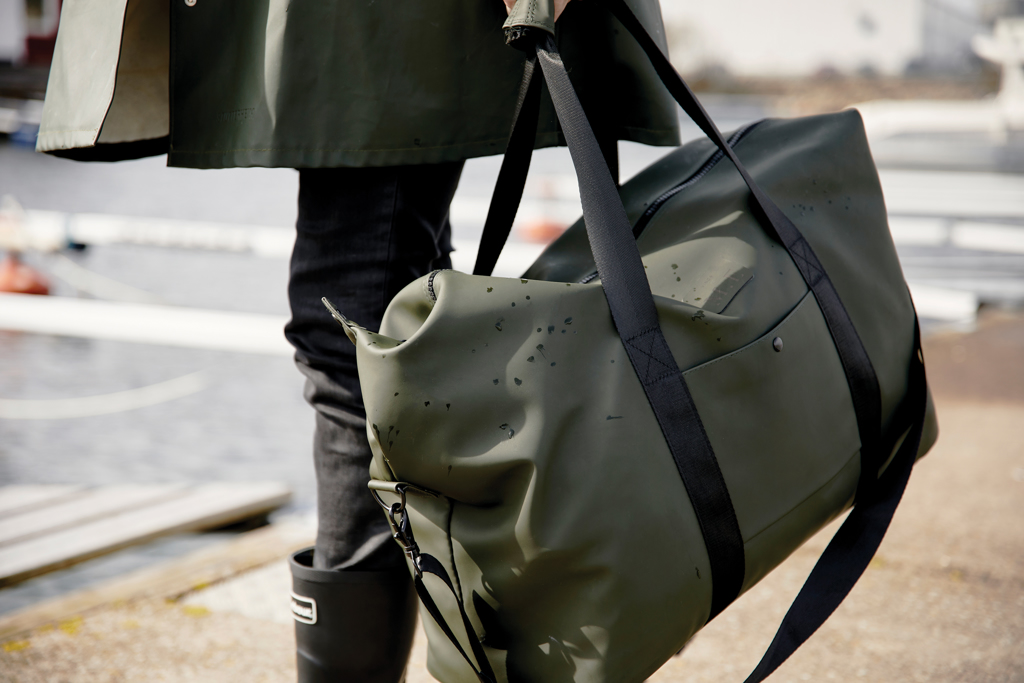
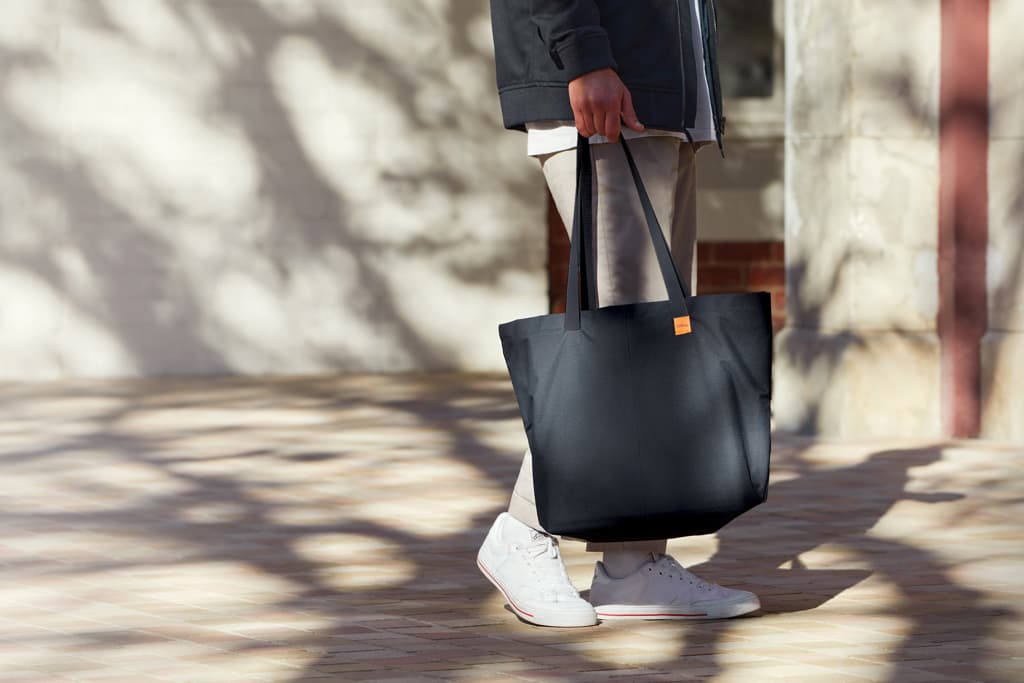
If you want one branded gift that puts your logo in front of the most eyes for the least money, give a bag. A backpack or weekender is carried through stations, offices and streets day after day, so the brand on it travels everywhere the recipient does — no other gift category gets that kind of public, repeated airtime. But bags vary widely in quality: a flimsy tote disappoints where a well-made daypack delights, and the difference shows in whether it gets carried or quietly retired to a cupboard. Here is how to choose bags that earn their place on someone's shoulder.
Why it works
Few promotional items work harder. A branded bag generates nearly 5,000 brand impressions over its lifetime — among the very highest of any promotional product, second only to outerwear — at roughly a tenth of a cent per impression (ASI, 2026). That reach comes from constant use and long retention: in ASI's 2026 study, the large majority of recipients keep and regularly use the bags they are given (ASI, 2026). The category is also a meaningful slice of the market — The category is also a meaningful slice of the market — bags and travel was the third-largest promotional-product category in 2023, before caps and hats (9% in 2024) edged it into fourth (PPAI, 2024).. The takeaway for a B2B buyer is simple: few gifts pair this much daily, in-public visibility with a per-exposure cost this low.
Timing
Bags suit the whole year but peak around travel and conference season, and they make a natural onboarding gift — a laptop backpack kits out a new hire on day one and signals you take their setup seriously. For hybrid teams who move between home and office, a good commuter bag earns its keep every single day. Order early for decoration and cross-border delivery, especially for higher-value styles where lead times and stock are tighter.
What to give, and at what price
Match the bag to the relationship, because durability and comfort are felt on every commute:
- €10–25 — entry: a recycled tote or drawstring bag for events and giveaways — useful, low-cost, and easy to hand out at scale.
- €25–60 — mid: a recycled daypack or travel backpack — daily-carry workhorses that suit staff and clients alike.
- €60–150+ — premium: a weekend bag or premium laptop bag for clients and frequent travellers who will use it for years.
Comfort, durability and a padded laptop sleeve matter far more than logo size — a bag that is a pleasure to carry gets carried everywhere, and that is where the impressions come from.
What to avoid
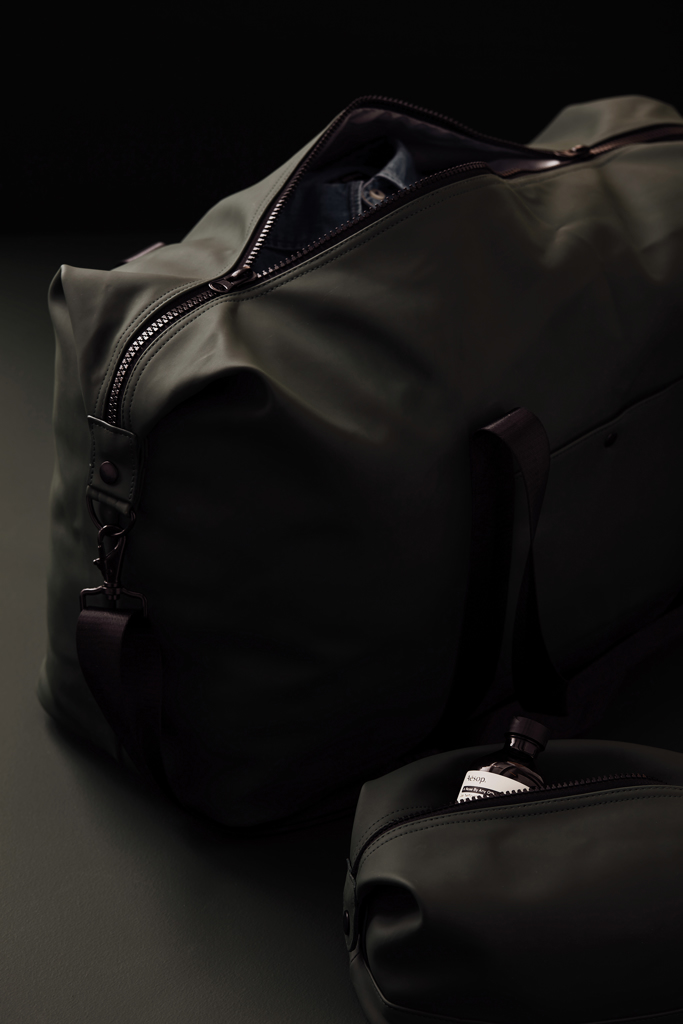
Avoid flimsy totes with weak straps — they survive one use and then the cupboard, taking your brand with them. Skip plastic-feeling materials; recycled, durable fabrics read as quality and stand up to daily wear. Don't over-brand a premium bag — a subtle logo respects the design and, crucially, gets worn in public far more often than a billboard would. And match the bag to the use: a tiny drawstring handed to a senior client undersells the relationship.
Rules and compliance
Bags are low-risk on gift policy, but confirm the recipient's own rules rather than assuming a figure: gift-value limits are set by each employer and by national public-sector codes, not by one European law. No EU instrument sets a ceiling at all — our gifting policy guide covers what does bind a European buyer — so the only threshold that counts is the one the recipient's employer applies, and public-sector bodies are usually far stricter. For credible sustainability, choose certified recycled materials (GRS, RCS) rather than vague "eco" claims, which increasingly invite scrutiny. Keep premium bags moderate in value and documented when they go to senior contacts — a record that protects both sides.
Make it about the relationship, not the sale
A bag someone carries every day is the most visible and most genuinely useful gift you can give — the recipient benefits from it long before your brand does. Choose comfort and durability over flash, keep the branding subtle, and let daily use do the work. Bags are also the ideal gift for distributed teams who move between home and office — see our remote & hybrid team gifts guide. Browse the catalog for recycled bags and travel gear, or contact us and we will help you choose bags people carry.