Event giveaways that earn their place: a B2B guide to trade-show merchandise
Most trade-show giveaways end the day in a bin. The fix is not a better trinket — it is matching the right item to the right visitor and gating quality behind genuine interest.

Most trade-show giveaways end the day in a hotel bin. You paid for the item, the branding, the shipping and the booth space — and the recipient discarded it before they reached the airport. The instinct is to blame the item. More often, the problem is that the giveaway was never matched to the person picking it up.
A giveaway that earns its place does one job: it produces qualified recall. Not foot traffic, not a cleared inventory box by close of day — recall, in the people who could actually buy from you.
Two audiences, two items
Every stand has two kinds of visitor, and one giveaway cannot serve both.
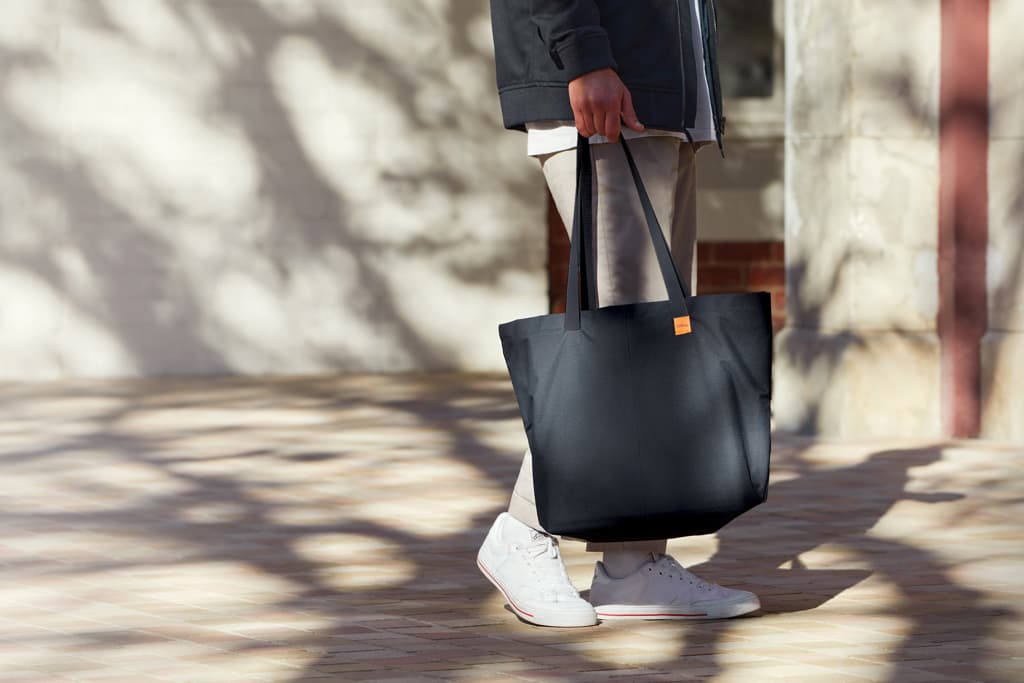
The first is the browser: walking the hall, collecting whatever is on offer, unlikely to buy. For them, a low-cost, genuinely useful item keeps your brand in rotation without burning budget — a reusable tote, a decent pen, a phone stand.
The second is the qualified prospect who stopped to talk. For them, a forgettable trinket is a wasted moment. This is where a heavier, higher-quality item belongs — and where it should be gated behind a real interaction: a booked meeting, a demo, a scanned badge. Two audiences, two items, two budgets. Trying to cover both with one mid-priced giveaway satisfies neither.
What survives the journey home
The test for any event item is brutal but simple: would the recipient pack it, or bin it? Three things decide the answer.
Utility comes first. An item used weekly outlives one admired once. A sturdy tote, quality drinkware, a cable organiser — these get used. Branded confetti does not.
Portability comes second. Trade-show visitors travel with hand luggage. An item that does not fit, or risks leaking or breaking, gets left in the room. Weight and packability are not afterthoughts; they decide survival.
Quality is the third filter, and the one most often cut to save money. An item that feels cheap signals that the relationship behind it is cheap too. Below a certain threshold, you are not building recall — you are buying a negative impression at scale.
The lead-capture mechanics
The giveaway is only half the system; the other half is how you connect it to a contact you can follow up.
Gate the better item behind an action that gives you data: a scanned badge, a booked follow-up, a short qualifying conversation. The browser still gets the low-cost item freely — no friction, no awkwardness. The prospect exchanges a small commitment for the better item, and you leave the show with a contact rather than a guess.
The mistake is to pile premium items on an open table. You deplete the budget on people who will never buy, and the qualified prospect gets the same thing as everyone else.
Measuring what worked
An event giveaway programme should be able to answer one question afterwards: what did each qualified lead cost, and how does it compare to your other channels?
Track the number of gated items handed out against the leads captured, then follow those leads through to pipeline. A programme that produces twenty qualified conversations from a hundred premium items is working. One that cleared three hundred items with no traceable follow-up is a donation, not a campaign.
A short post-event survey closes the loop: ask the sales team which item opened the most useful conversations. Their answer rarely matches the item that looked best in the planning meeting.
The takeaway
Good event merchandise is not about handing out the most, or the cheapest, or the flashiest. It is about matching the right item to the right visitor, gating quality behind genuine interest, and measuring the leads it produced. Do that, and the giveaway stops being a line item you defend and becomes a channel you optimise.
For the wider version of that measurement argument — how to defend any merchandise budget to procurement — see our merchandise ROI framework. Browse the catalog for event-ready items, or contact us and we will help you plan the stand.