Employee onboarding gift box ideas: 7 welcome kits new hires keep
A new-hire welcome kit should make day one easier, not add more clutter. Here are seven practical onboarding gift formulas people keep using.
A good onboarding gift box has one job: make a new employee feel expected before they have proved anything. The mistake is treating it like a random swag bundle — a cheap pen, a mug, a sticker, and a box that looks better in an internal announcement than on someone's desk.
The better approach is to build a small kit around the first 30 days: carrying a laptop, joining meetings, staying hydrated, taking notes, charging devices, and feeling part of the company without wearing a giant logo.
Want us to build the shortlist for you? Answer the 8-question PleasantPresent gift consultation. Tell us your team size, budget, deadline, delivery country and logo status — we'll suggest products that fit instead of making you browse the whole catalogue.
What belongs in a new-hire welcome kit?
Think in layers, not individual objects:
- A carrier — tote, laptop sleeve, backpack or pouch.
- A daily-use item — bottle, mug, tumbler, notebook or cable.
- A work-context item — notebook, pen, charger, laptop accessory.
- A small personal touch — message card, founder note, team ritual, or department-specific item.
The branded product should feel useful even if the logo was removed. That is usually the difference between a gift people keep and a gift people leave in the office kitchen.
1. The simple day-one kit: tote + notebook + pen
Best for: teams hiring often, interns, seasonal staff, events where the onboarding kit doubles as a welcome bag.
Start with a recycled tote, add a decent notebook, then choose a pen that writes well enough to survive the first week of meetings.
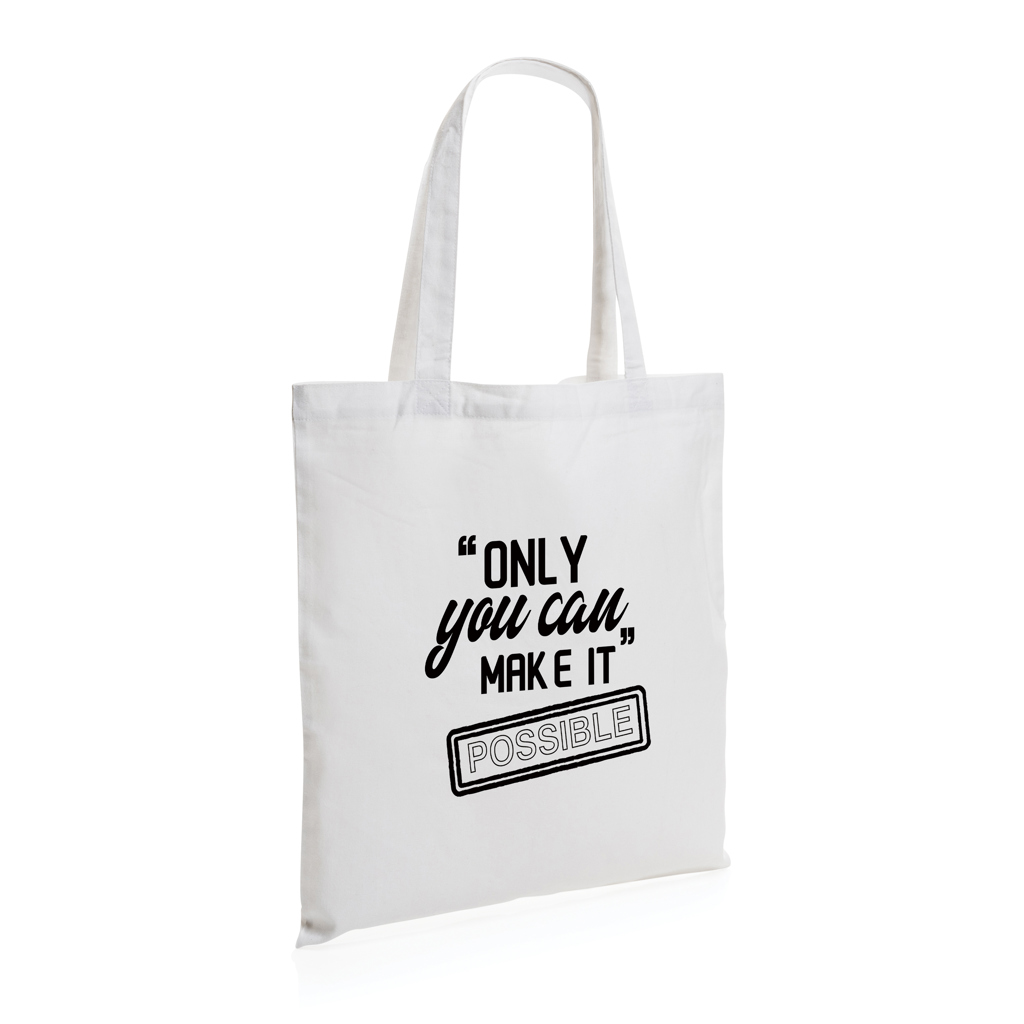
Good catalogue examples:
- Impact AWARE™ Recycled cotton tote — a simple, useful carrier for welcome documents or laptop accessories.
- Salton A5 GRS certified recycled paper notebook — affordable enough for larger hiring waves.
- Amisk RCS certified recycled aluminium pen — practical add-on when the kit needs to stay light.
Use this kit when the goal is consistency and cost control. It does not feel luxurious, but it does feel prepared.
2. The hybrid-work kit: backpack + bottle
Best for: remote and hybrid employees, consultants, sales teams, customer-facing roles.
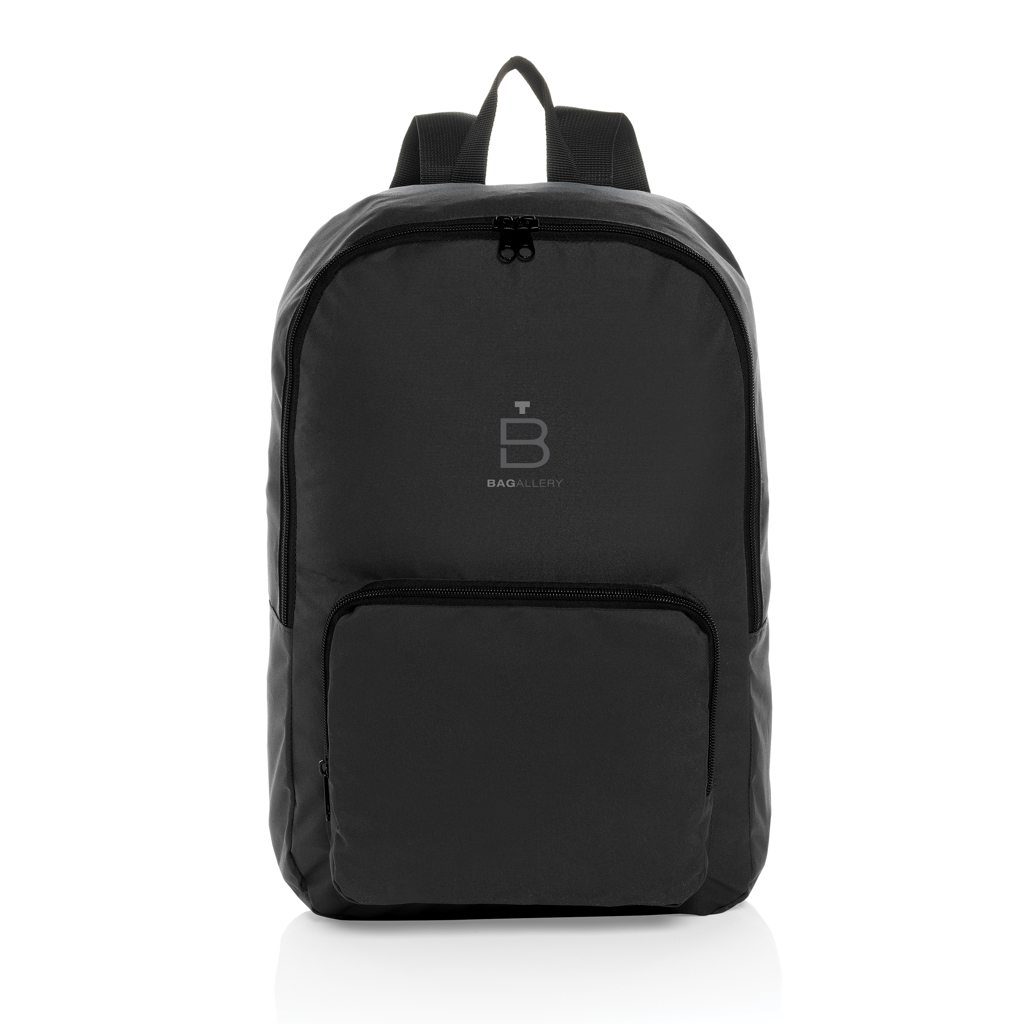
If employees move between home, office and client meetings, the bag matters more than the box. A lightweight backpack or rolltop bag turns the welcome kit into something they use outside the first day.
Strong picks:
- Dillon AWARE™ RPET foldable classic backpack — practical, lightweight and suitable for broad teams.
- Impact AWARE™ RPET lightweight rolltop backpack — better when you want a cleaner, more modern look.
- RCS recycled stainless steel Impact vacuum bottle — a daily-use bottle that keeps the kit useful after onboarding week.
For branding, keep the logo subtle. A backpack with a small, clean logo often gets used more than one with a loud front print.
3. The desk-ready kit: notebook + mug + bottle
Best for: office-based teams, admin roles, finance teams, customer support, shared-office onboarding.
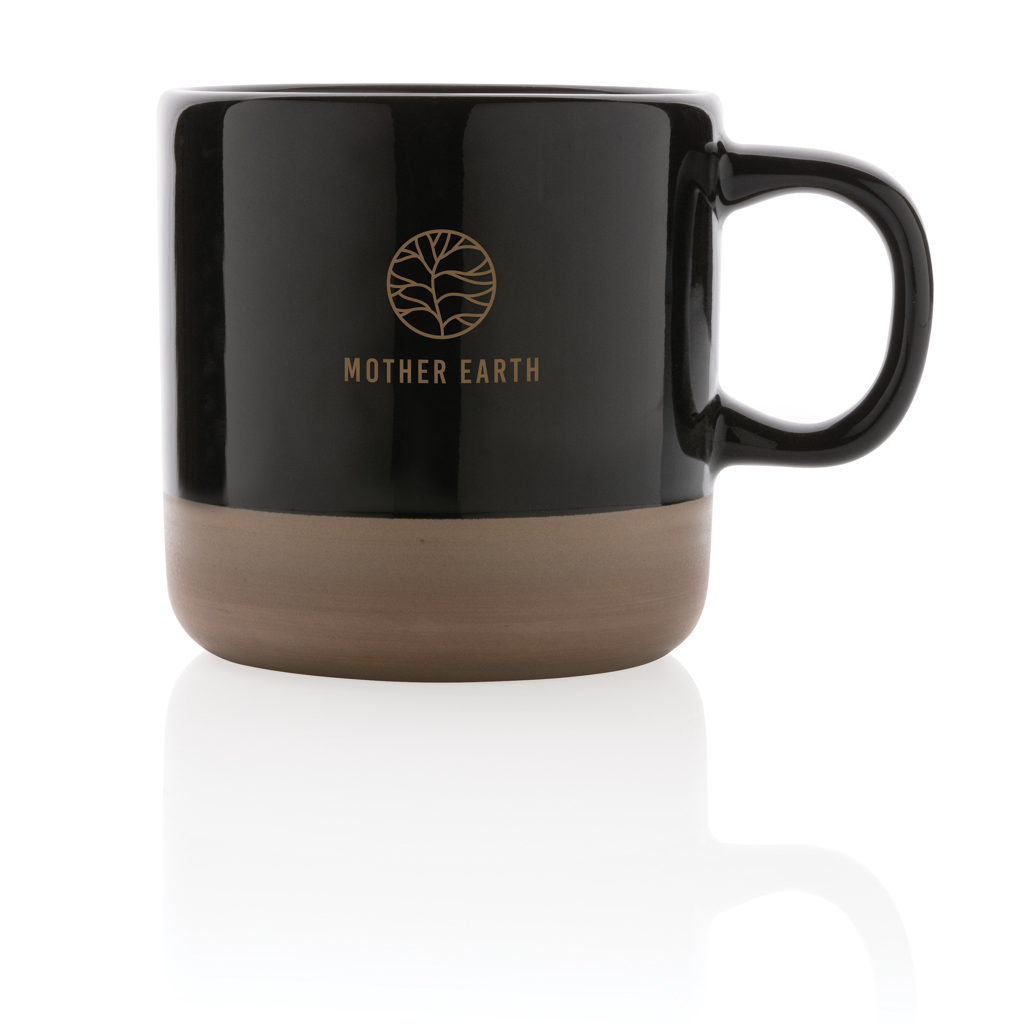
A desk kit should make the first week feel less temporary. A notebook, mug and bottle is a safe combination because each item has a clear use from day one.
Useful options:
- Glazed ceramic mug 360ml — classic, but better when the finish feels intentional.
- A5 Deluxe notebook with smart pockets — good for roles with meetings, notes and onboarding checklists.
- RCS Recycled stainless steel deluxe water bottle — a more premium bottle option without moving into executive-gift territory.
Avoid adding too many small extras here. A desk kit with three solid items usually feels better than a box with seven weak ones.
4. The tech helper kit: charging cable + powerbank
Best for: field teams, salespeople, consultants, event staff, employees travelling between locations.
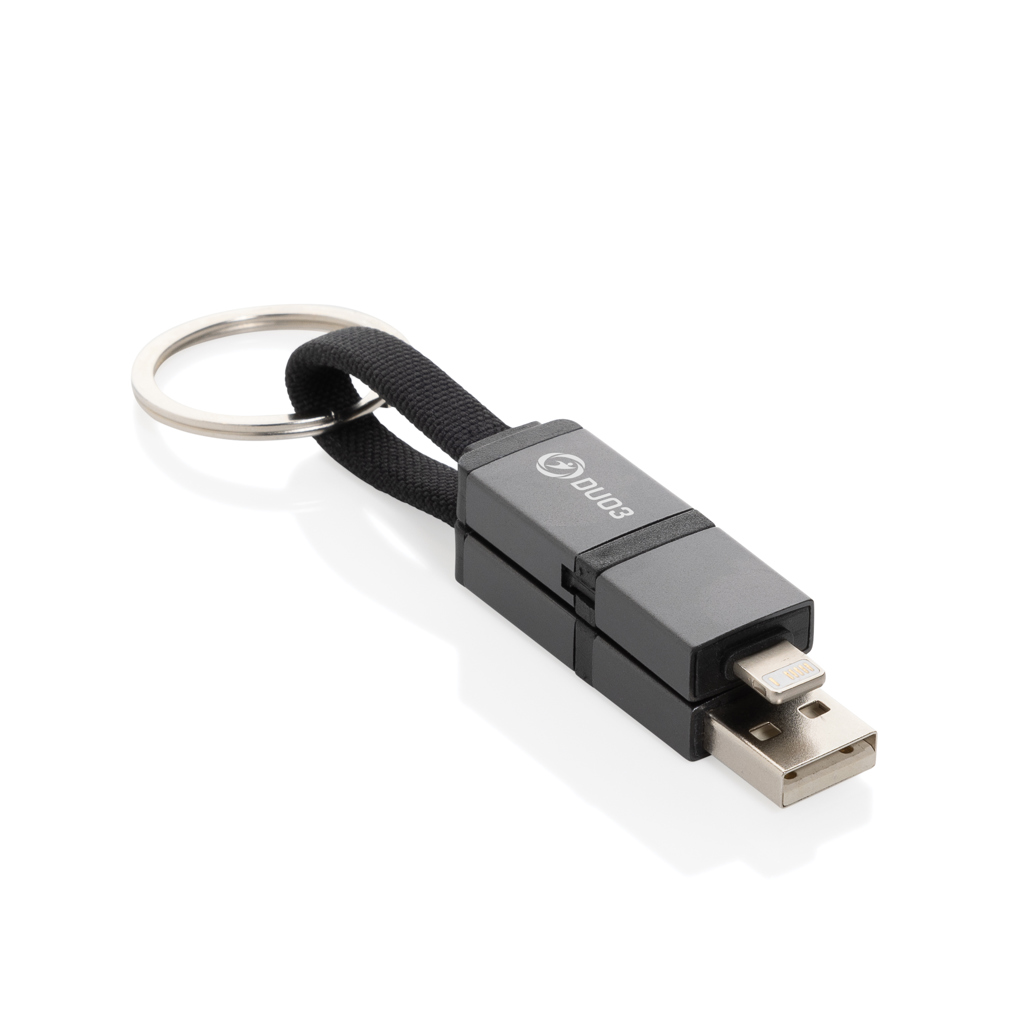
Tech gifts work when they solve a real annoyance. A cable or compact powerbank is useful because everyone has had a low-battery moment during onboarding, travel or a meeting day.
Catalogue examples:
- Terra recycled aluminium 4 in 1 60W fast charging cable — small, useful and easy to include in a box.
- Terra RCS recycled aluminium 6-in-1 charging cable — a flexible option when teams use different devices.
- RCS recycled plastic/aluminium 4000mAh powerbank with Type-C — better for travelling or field-based teams.
One warning: for tech items, cheaper is not always safer. Stick to compliant products and avoid anonymous chargers that can damage devices.
5. The sustainable welcome kit
Best for: companies with ESG goals, sustainability teams, European buyers who want a better story than disposable swag.
A sustainable kit should not just be brown cardboard and green claims. The items still need to be useful.
Good base products:
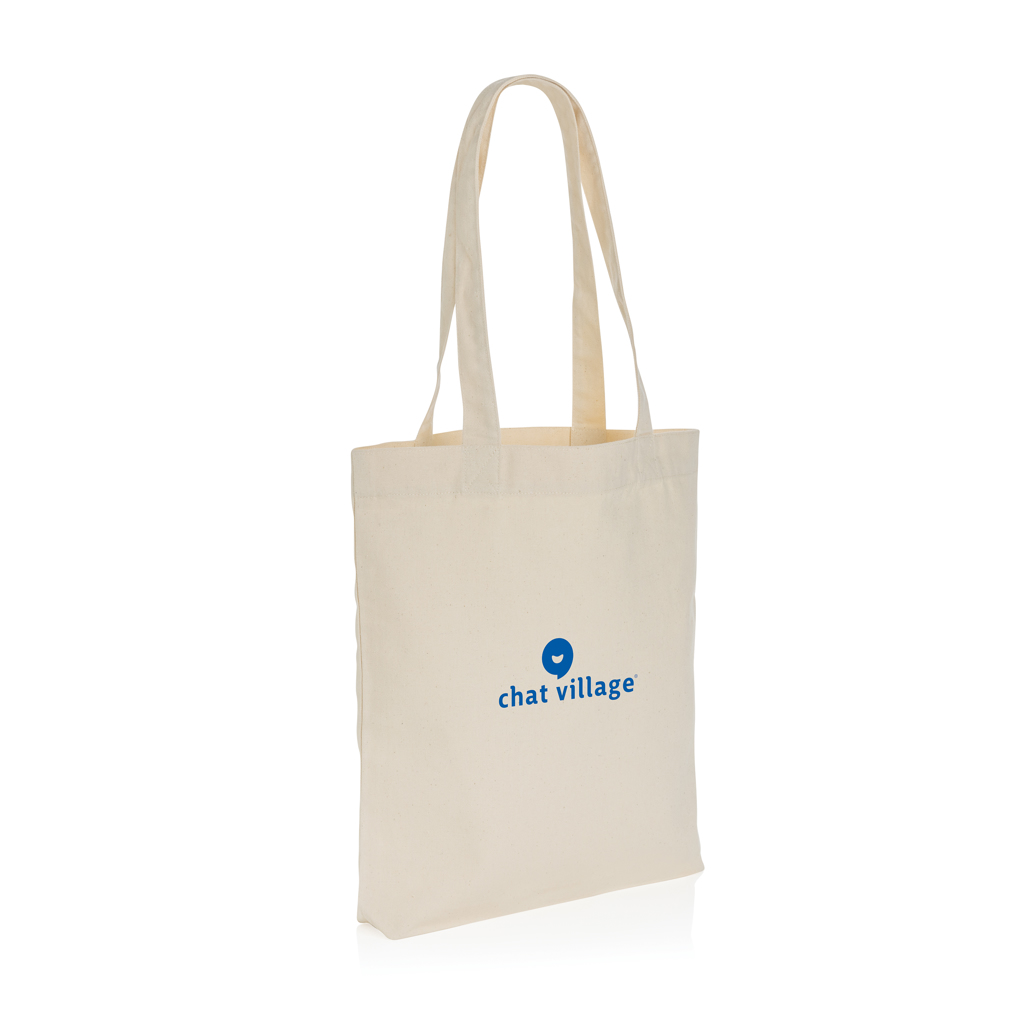
- Impact AWARE™ 285gsm recycled canvas tote bag undyed
- A5 cork & kraft notebook
- VINGA Baltimore trek RCS recycled stainless steel bottle 600ml
This kit works best when the message is specific: recycled material, reusable daily item, fewer products, better quality. Do not over-explain it on the product; use the welcome card for the story.
6. The premium first-impression kit
Best for: senior hires, leadership roles, client-facing consultants, sales executives.
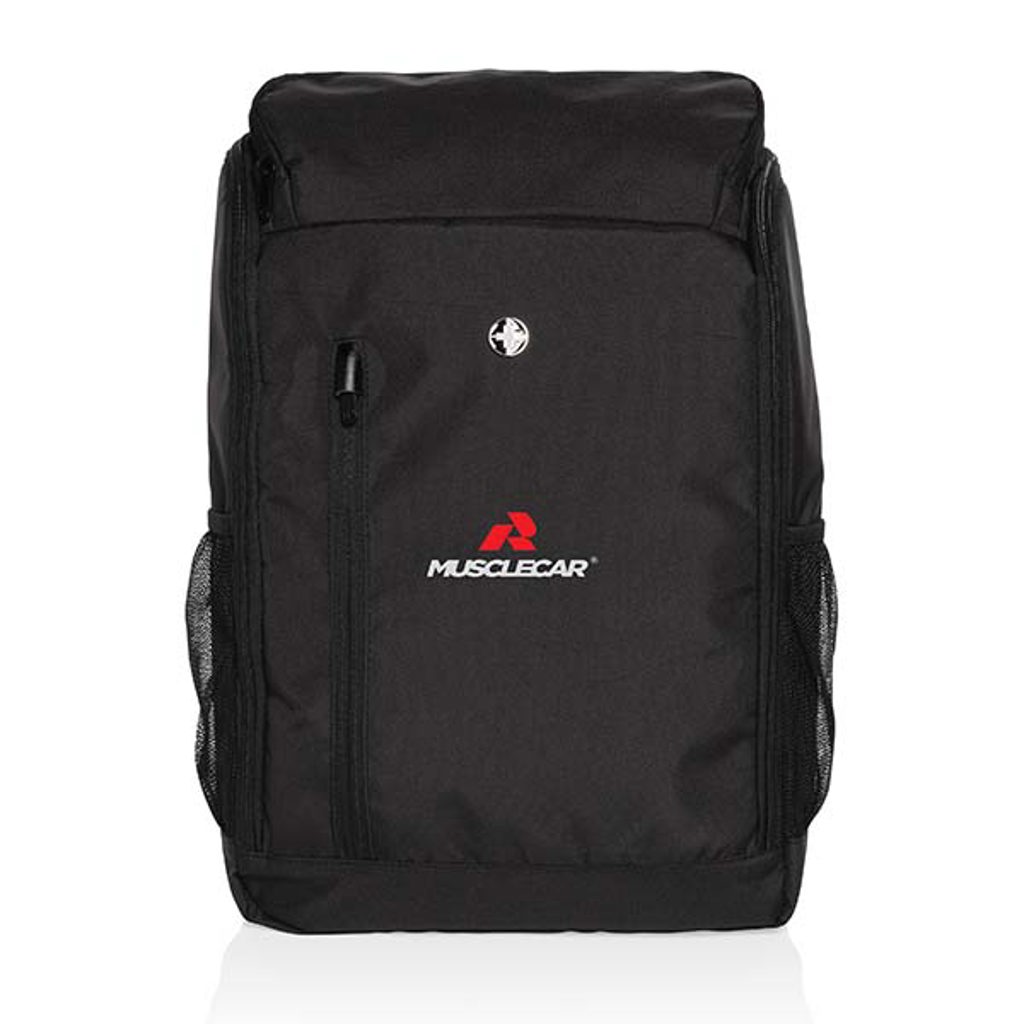
For premium onboarding, reduce the number of items and upgrade the main one. A good backpack, laptop sleeve or premium bottle will do more than five smaller items.
Consider:
- Swiss Peak AWARE™ easy access 15.6'' laptop backpack
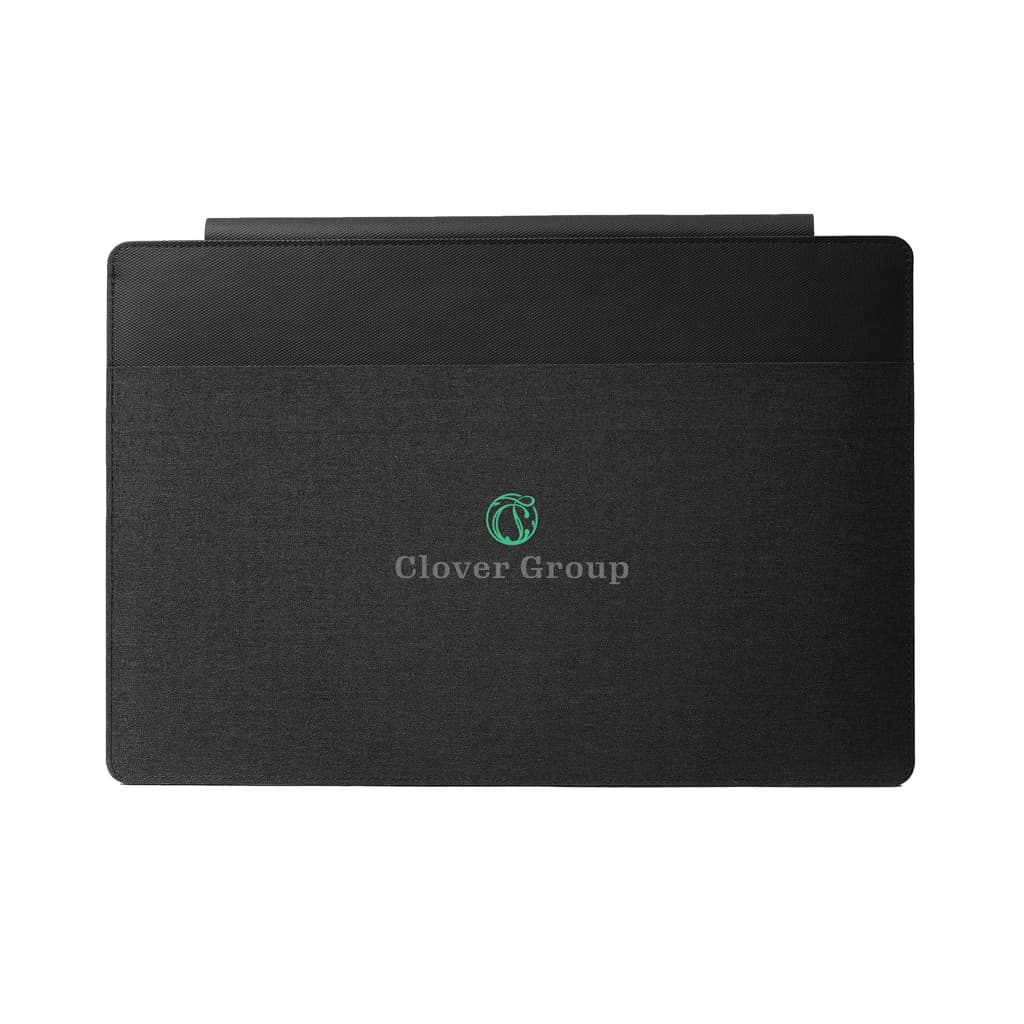
- KENTO URBAN RCS recycled nylon 15.6 inch laptop sleeve
- VINGA Baltimore RCS explorer's backpack
Premium does not mean loud. This is where tone-on-tone embroidery, a small woven label or a discreet print position usually feels more professional.
7. The event-to-employee kit
Best for: graduate programmes, onboarding days, internal launches, company offsites.
Sometimes the welcome kit has to work for 100 people in one room. In that case, packaging and distribution matter almost as much as the products.
A good formula:
- tote or foldable backpack
- bottle or mug
- notebook
- charging cable
- printed welcome card with QR code to onboarding resources
This keeps fulfilment simple and still gives each person useful items.
How to choose without getting stuck on price
The same welcome-kit idea can be built in a lean, standard or premium version. That is why it is better to start with the job the kit has to do, then match the products to your quantity and deadline.
Useful planning rules:
- For large hiring waves, choose fewer products with broad appeal: tote, notebook, bottle, cable.
- For remote or hybrid teams, make the carrier stronger: backpack, laptop sleeve or travel pouch.
- For senior or client-facing roles, reduce the number of items and upgrade the main product.
- For sustainability-led teams, pick fewer reusable items and explain the material story in the welcome card.
- For short deadlines, use stocked products, fewer variants and simpler branding positions.
If your quantity is large, do not only chase the lowest unit cost. A product that people keep for one year is usually cheaper in brand impact than a product they throw away after one day.
A simple ordering timeline
For onboarding kits, plan backwards:
- 6–8 weeks before start date: choose products, quantities and print positions.
- 4–6 weeks: approve visuals and logo placement.
- 2–4 weeks: production and delivery buffer.
- Final week: assemble, label, add welcome cards and check quantities.
If the timeline is shorter, simplify. Pick stocked items, fewer variants, fewer print positions and a cleaner kit.
FAQ
Should every employee get the same onboarding gift?
Usually yes for the core kit. You can personalize the card, department note or one add-on. Keeping the main products consistent makes ordering, pricing and fulfilment much easier.
Should we put a large logo on every item?
No. One clear branded item is enough. For products people wear or carry publicly, smaller logos usually get used more often.
What is the safest first onboarding kit?
A tote or backpack, notebook, bottle and welcome card. It works across most roles and does not assume clothing size, taste or personal lifestyle.
Can we upload our logo before choosing products?
Yes. The gift consultation lets you share your logo status and brief first, then we can suggest products and branding options that make sense.
Want a shortlist for your next hires?
You do not need to browse every bag, bottle and notebook manually. Answer the 8-question PleasantPresent gift consultation, and we will suggest an onboarding kit based on your quantity, budget, deadline, delivery country and branding needs.