Phygital Corporate Gifts: When a Branded Object Gets a Digital Layer
Add an NFC chip or QR code to a branded object and it becomes a door — to a video, a manual, a reorder, a warranty. Here's how to make phygital gifting useful, not a gimmick.

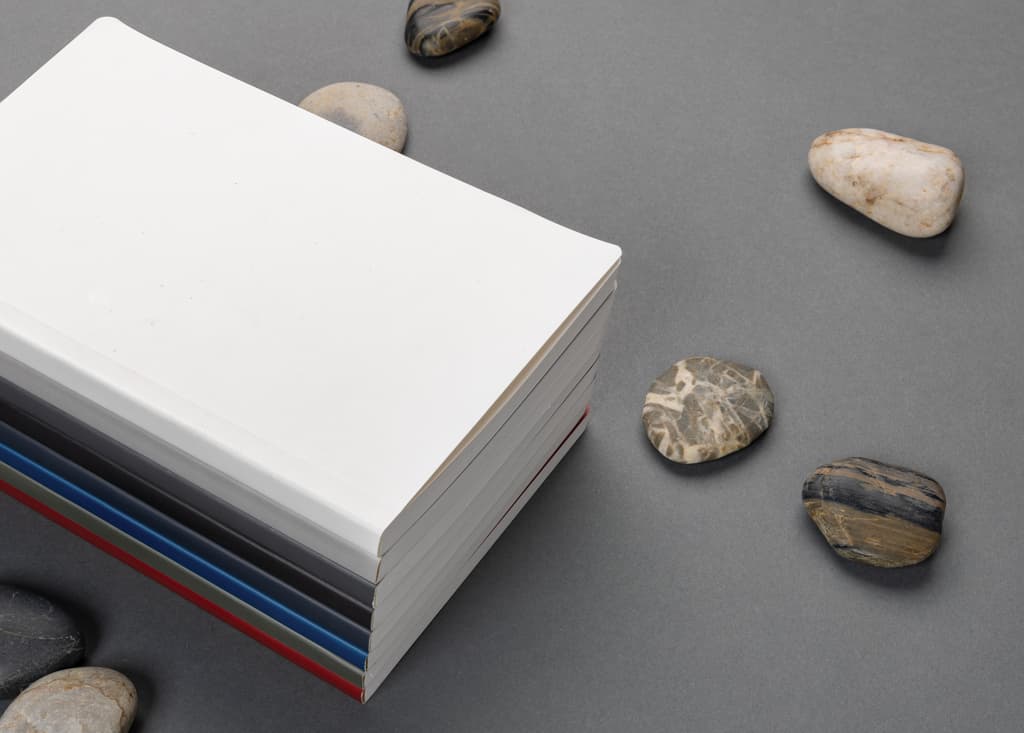
A branded notebook is a branded notebook. Add a small NFC chip or a printed QR code, and it becomes a door — to a welcome video, a product manual, a reorder page, a warranty, an event agenda. "Phygital" gifting keeps the physical object people actually want and adds a digital layer that does a job. The 2026 shift is not gadgets for their own sake; it is turning a one-off present into an ongoing, measurable touchpoint. Here is how to do it well — and how to avoid the dead-link gimmick.
Why it works
Two numbers set the scene. Arizton values Europe's personalised gifting market at USD 9.67 billion in 2023 — about €9 billion — and forecasts roughly 7% annual growth to 2029; on the corporate side, ASI Research puts promotional-product distributor sales across the EU, UK, Iceland, Norway and Switzerland at USD 14.1 billion in 2023, though B2B growth has been far slower at around 1-2% a year. And practical, everyday items remain the single largest category of corporate gifts. Phygital builds on that strength: it keeps the useful object — the bag, the bottle, the notebook — and adds something the recipient can act on. Unlike a printed logo, a tap or a scan is measurable, so you learn what people actually engaged with — which turns gifting from a pure cost line into something you can read.
Timing
A phygital gift has two timings: the handover, and everything after. The object lands once; the digital layer can stay useful for months — seasonal content, a reorder reminder, an event update. Plan both. Ship physical items one to two weeks early for cross-border customs, and make sure whatever sits behind the tag is live before the gift arrives. A scan that hits a dead page is worse than no tag at all.
What to give, and at what price
- €10–25 — entry: a QR-printed notebook or reusable bottle linking to a welcome page.
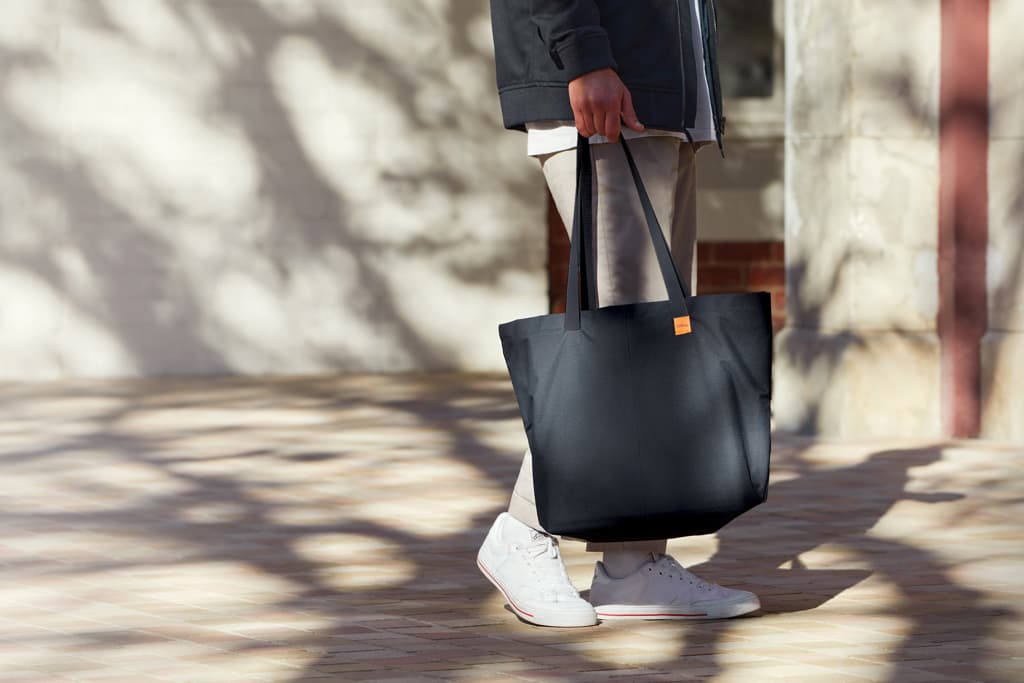
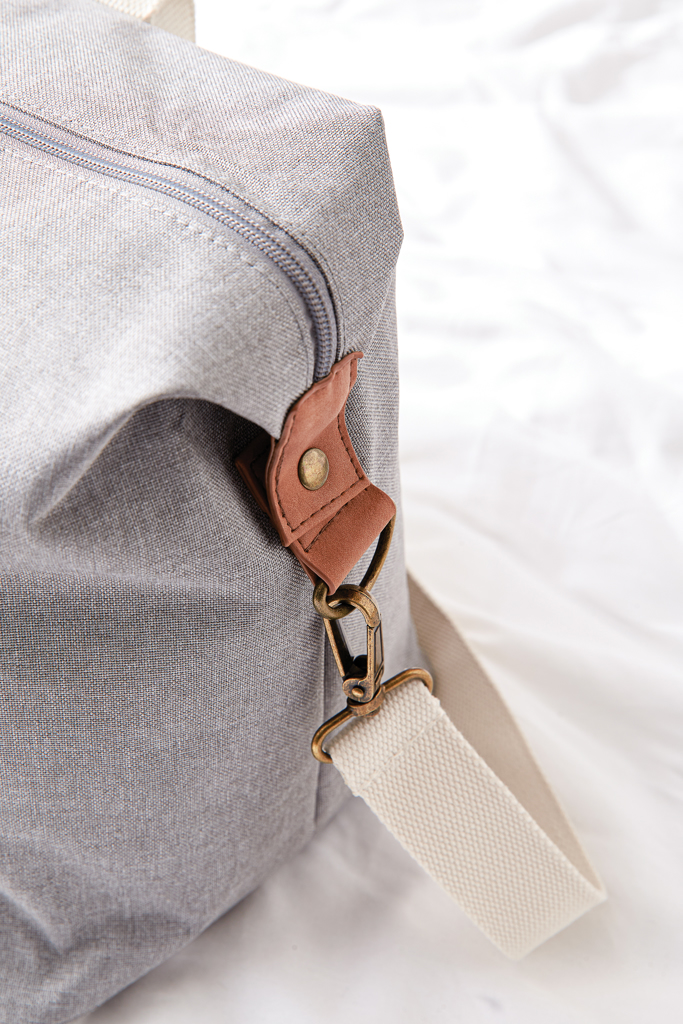
- €25–60 — mid: an NFC-enabled bag or organiser that opens a manual, a warranty, or a reorder flow.
- €60–150+ — premium: a connected kit for top accounts — premium gear plus a personalised digital experience behind the tag.
Match the depth of the digital layer to the value of the relationship.
What to avoid
The gimmick trap is real. A tag that leads nowhere useful, a scan that demands a long form before giving anything, a "digital experience" that is just a marketing landing page — all of these waste the goodwill the object earned. Give before you ask: useful content first, data capture second and optional. And keep the destination alive; a dead link a year later quietly says you stopped caring.
Rules and compliance
A scan can capture data, so treat it like any data touchpoint under GDPR: be clear about what you collect, ask consent for anything beyond the obvious, and do not gate basic usefulness behind a form. Check the recipient's own gift policy before you pick a price tier. Many companies set an internal value limit, and public-sector bodies are usually far stricter, often prohibiting gifts entirely. These are the recipient employer's rules and national codes rather than one legal cap — no EU instrument fixes a gift-value ceiling at all, as our guide to gifting rules sets out — so confirm the applicable threshold with the recipient rather than assuming a number. Document both the physical gift and what sits behind the tag.
Make it about the relationship, not the sale
The point of a phygital gift is not the technology — it is that the object keeps being useful and keeps the door open. Used well, the digital layer is a service, not an ad. Phygital shines at events, where one scan can replace a stack of leaflets and capture a genuine lead — the same logic behind smarter trade-show giveaways. Browse the catalog for items that take branding and a tag well, or contact us and we will help you design a gift that works long after it is handed over.