Sports, Fitness & Outdoor Corporate Gifts: Backing a Habit, Not Just a Logo
Most Europeans do not exercise weekly — which is exactly why a fitness gift is a nudge, not a niche perk. Here is how to choose sports and outdoor kit that gets used instead of stored.
Sports and outdoor gifts have a quality most corporate presents lack: they leave the building. A bag, a bottle or a jacket goes to the gym, the trail and the weekend, which puts your brand in places no desk item ever reaches. The risk is aiming too narrowly — kit that only suits committed athletes flatters the few and excludes everyone else without meaning to. The better target is the majority who would like to move more and mostly do not. Here is how to choose gear that supports a habit instead of rewarding one.
Why sports gifts travel furthest
The wearable end of this category racks up more brand impressions than anything else the industry measures: ASI puts branded outerwear — fleeces and jackets — at roughly 9,000 lifetime impressions, at a cost per impression under half a cent (ASI, 2026). Bags earn fewer, around 5,000 in a lifetime, but they are the cheaper carrier by far at roughly a tenth of a cent each — though ASI measures that on inexpensive tote bags, so read the impression count as evidence for bags broadly and set the cost figure aside once you move up to a €40–90 holdall, where the same exposure costs many times more per impression (ASI, 2026). The reason to give this category, though, is need rather than reach. Only 38% of Europeans play sport or exercise at least once a week, and up to 45% never exercise at all (Eurobarometer 525, 2022), while globally 31% of adults — 1.8 billion people — fall short of WHO activity recommendations (WHO, 2024). A gift aimed at that majority is a nudge, not a trophy.
Timing
This category fits wellbeing programmes, team challenges, summer kick-offs and onboarding kits, and it carries a message worth sending: Gallup's 2026 workplace data has 40% of employees experiencing a lot of stress the previous day, with only 34% thriving in overall wellbeing (Gallup, 2026). Those numbers establish the need, not the cure — a branded bottle does not fix workplace stress, and pretending otherwise is worse than saying nothing. Give the kit as part of something real: a walking challenge, a club subsidy, protected time to use it.
What to give, and at what price
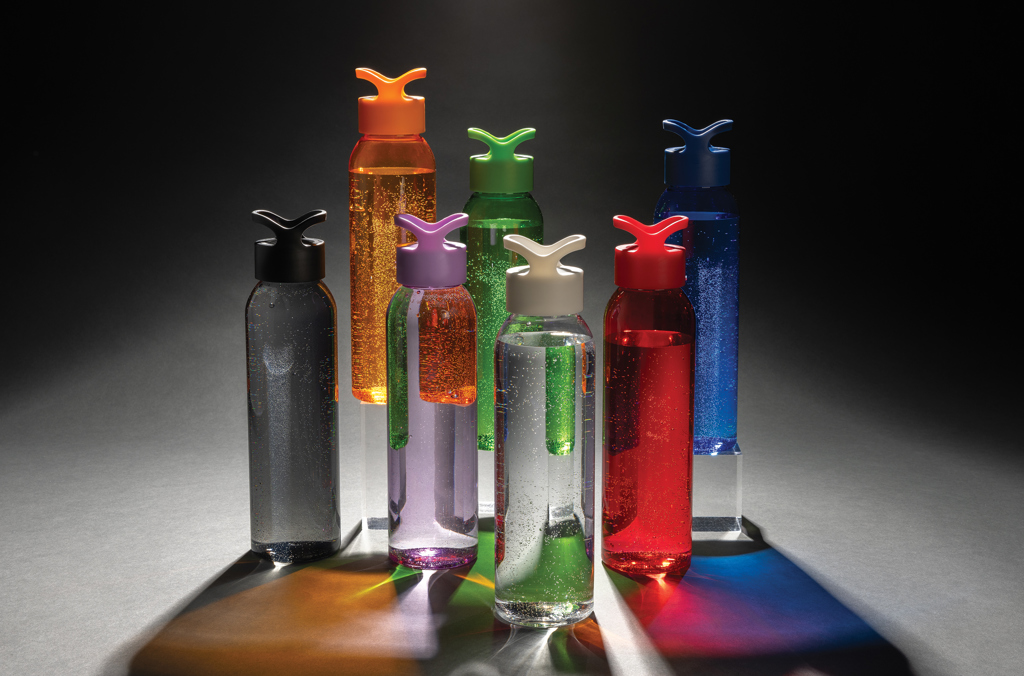
- €5–15 — entry: a recycled PET sports bottle for whole teams, events, and challenge kick-offs.
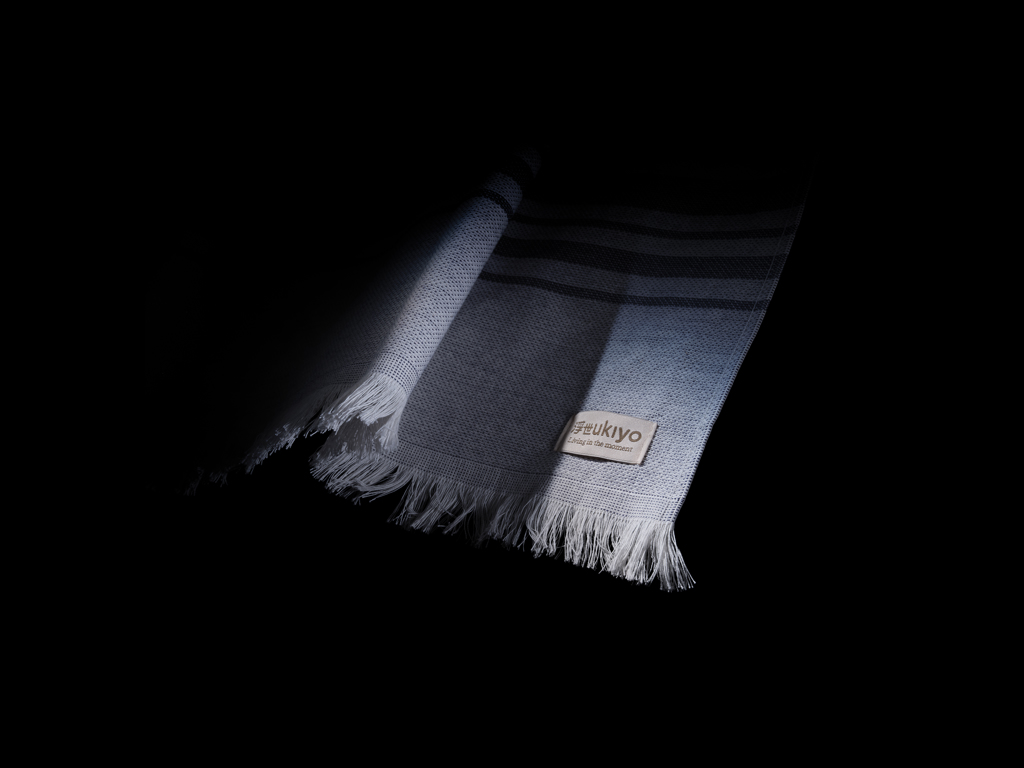
- €15–40 — mid: a quick-dry hammam towel that works for the gym, the beach and the sauna alike.
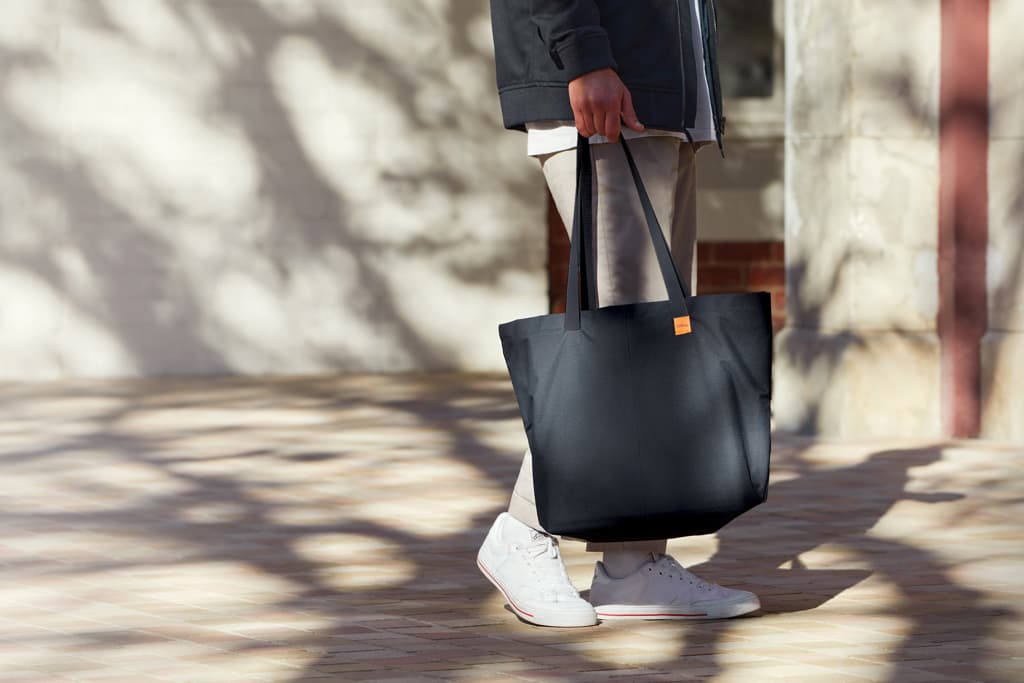
- €40–90+ — premium: a recycled sports and travel holdall for top performers and key clients.
Choose low-barrier over specialist. A bottle, a towel and a bag work as well for someone walking to the office as for a gym regular, while a foam roller or a heart-rate strap only lands with people already deep in a routine — and it signals, without meaning to, that the gift was not really meant for everyone else.
What to avoid
Avoid anything sized, tight-fitting or body-measuring. Performance apparel in assumed sizes and gadgets that track weight or body fat can land as judgement rather than generosity, and they are the fastest way to make a wellbeing gesture feel intrusive. Skip cheap synthetic kit that pills after three washes — outdoor gear is judged on whether it survives real use. And resist loud head-to-toe branding: those impression counts assume the jacket actually gets worn, and heavy branding is the surest way to make sure it is not.
Rules, sizing and compliance
Apparel and outdoor kit bring fewer legal traps than food, but not none: textile items must carry accurate fibre-composition labelling under EU Regulation 1007/2011, and anything presented as protective — helmets, high-visibility layers, climbing gear — falls under the PPE Regulation 2016/425 and needs the certification that goes with it. Buyers increasingly ask for recycled content here, so request the specific figure (for example, body 100% rPET) and a GRS or RCS transaction certificate covering your actual order rather than a generic eco label. Practically: order size ranges generously, offer unisex cuts, and allow exchanges, because an unworn jacket earns nothing. Internal gift-value caps still apply, but they are the recipient employer's policy rather than law — no EU instrument sets a gift-value ceiling at all, as our guide to what binds a gift programme sets out — and public-sector, regulated-industry and healthcare recipients are tighter still or barred outright, so confirm the recipient's own threshold before you price a premium holdall for an external contact.
Back the habit, not the logo
The measure of a sports gift is simple: does it leave the house? Kit that suits a beginner, survives real weather and carries a modest logo gets used, and use is the only thing that turns a gift into goodwill. Pitch it at the 45% who never exercise rather than the 38% who already do — the beginner is the larger and harder target — and pair it with something that makes moving easier. This category sits inside a wider wellbeing agenda — see our wellbeing corporate gifts guide. Browse the catalog for recycled bottles, towels and sports bags, or contact us and we will help you put together a kit that gets used rather than stored.